
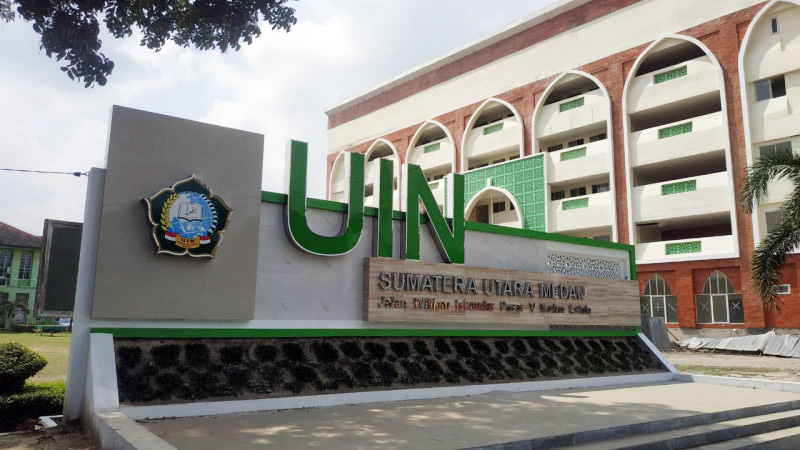
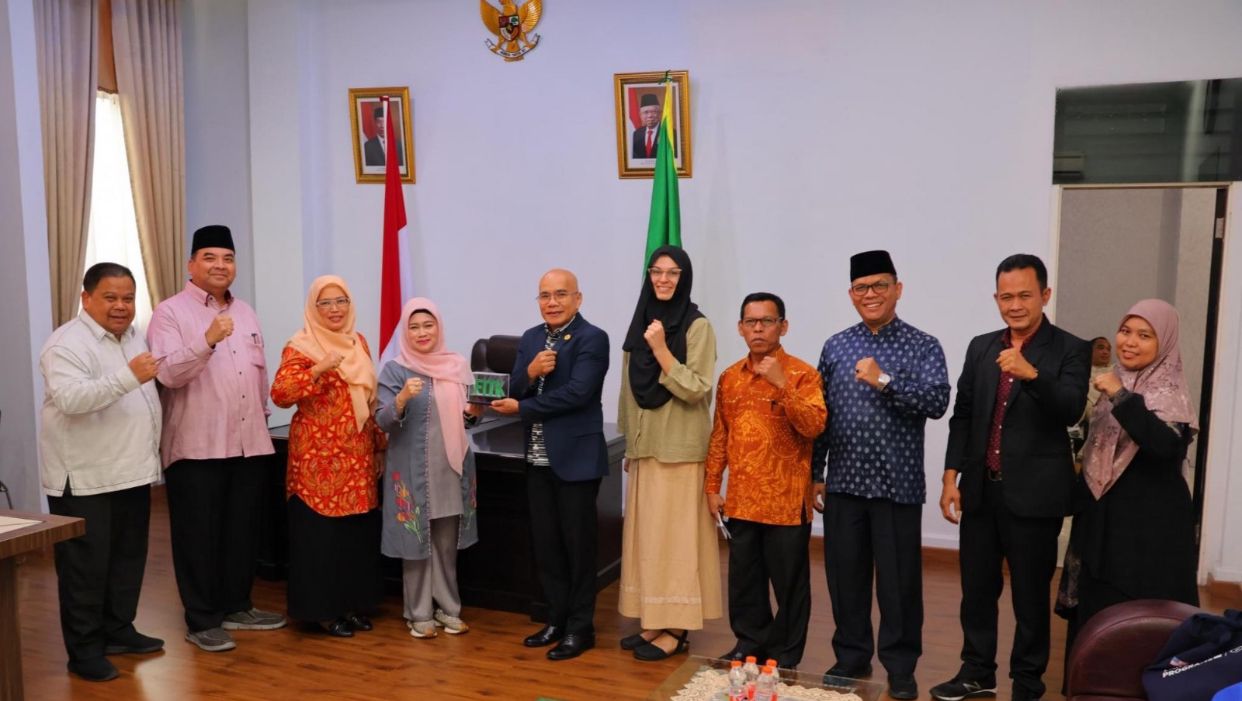
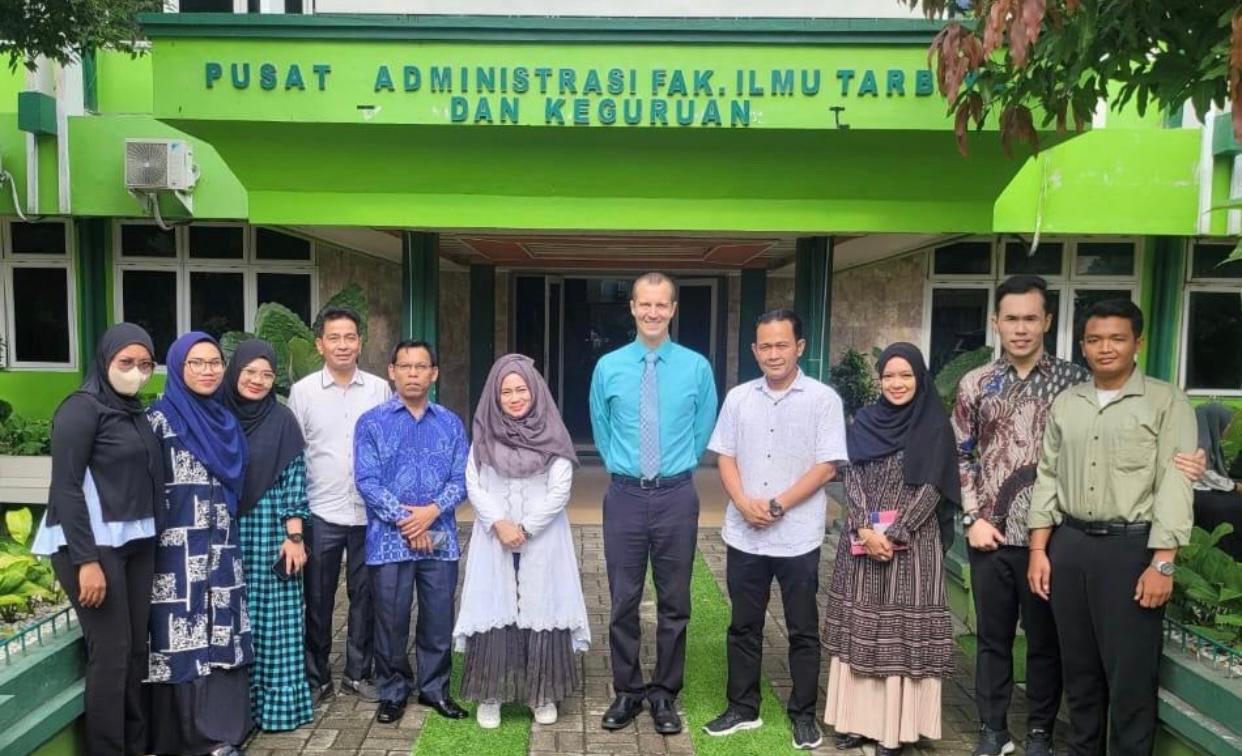
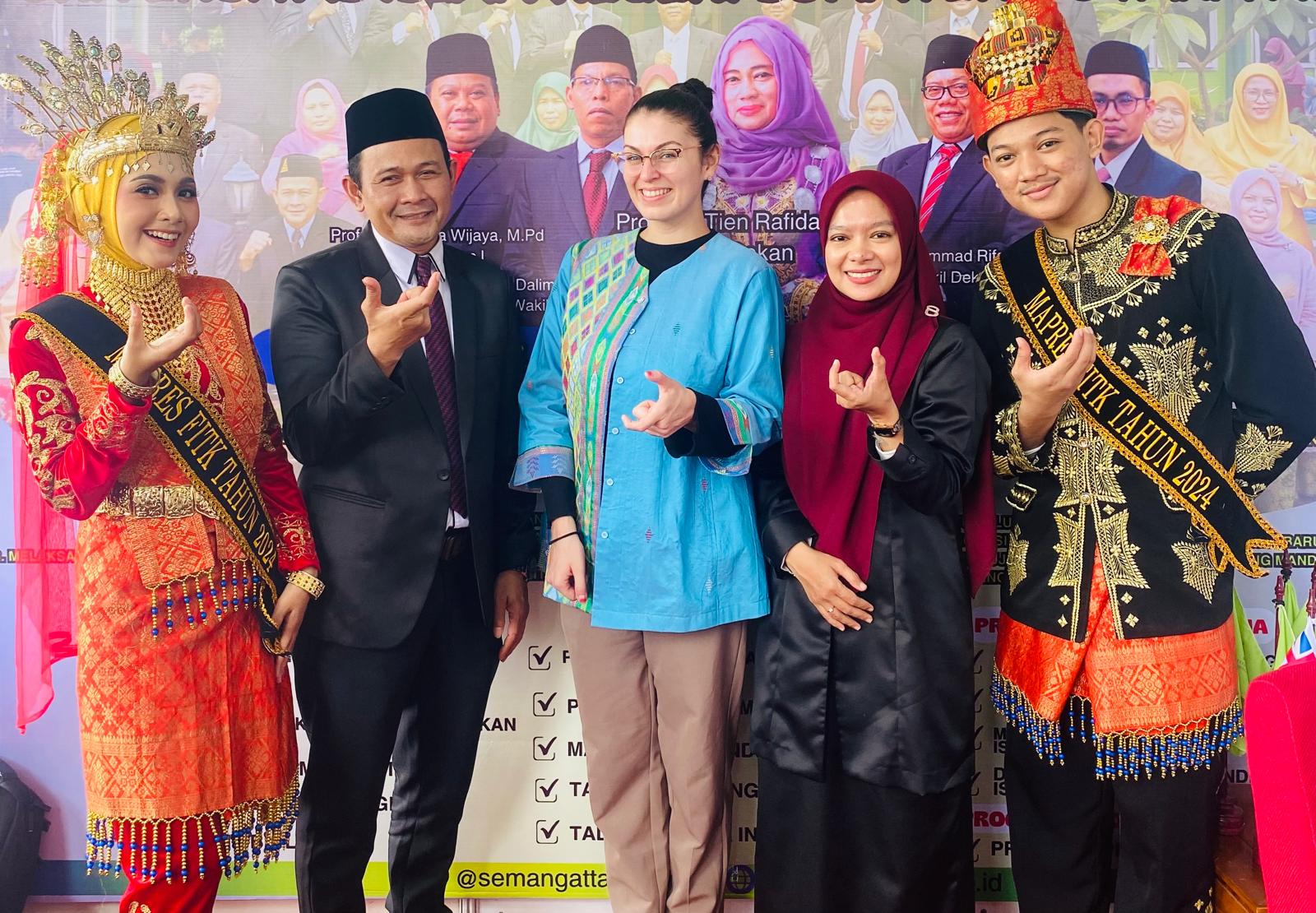

Medan, Indonesia – August 19, 2025 – The Universitas Islam Negeri (UIN) Sumatera Utara, in collaboration with UIN Syarif Hidayatullah Jakarta, successfully co-hosted the 8th International Colloquium on Interdisciplinary Islamic Studies (ICIIS) 2025 at Le Polonia Hotel Medan. The international joint conference brought together scholars, educators, and policymakers from across Indonesia and abroad to engage in critical discussions at the intersection of religion, science, and sustainability. With pressing global issues such as climate change, technological disruption, and shifting ethical landscapes, the conference aimed to develop integrated perspectives rooted in Islamic scholarship and aligned with global research trends.
Keynote Speakers
The session was enriched by three distinguished keynote speakers:
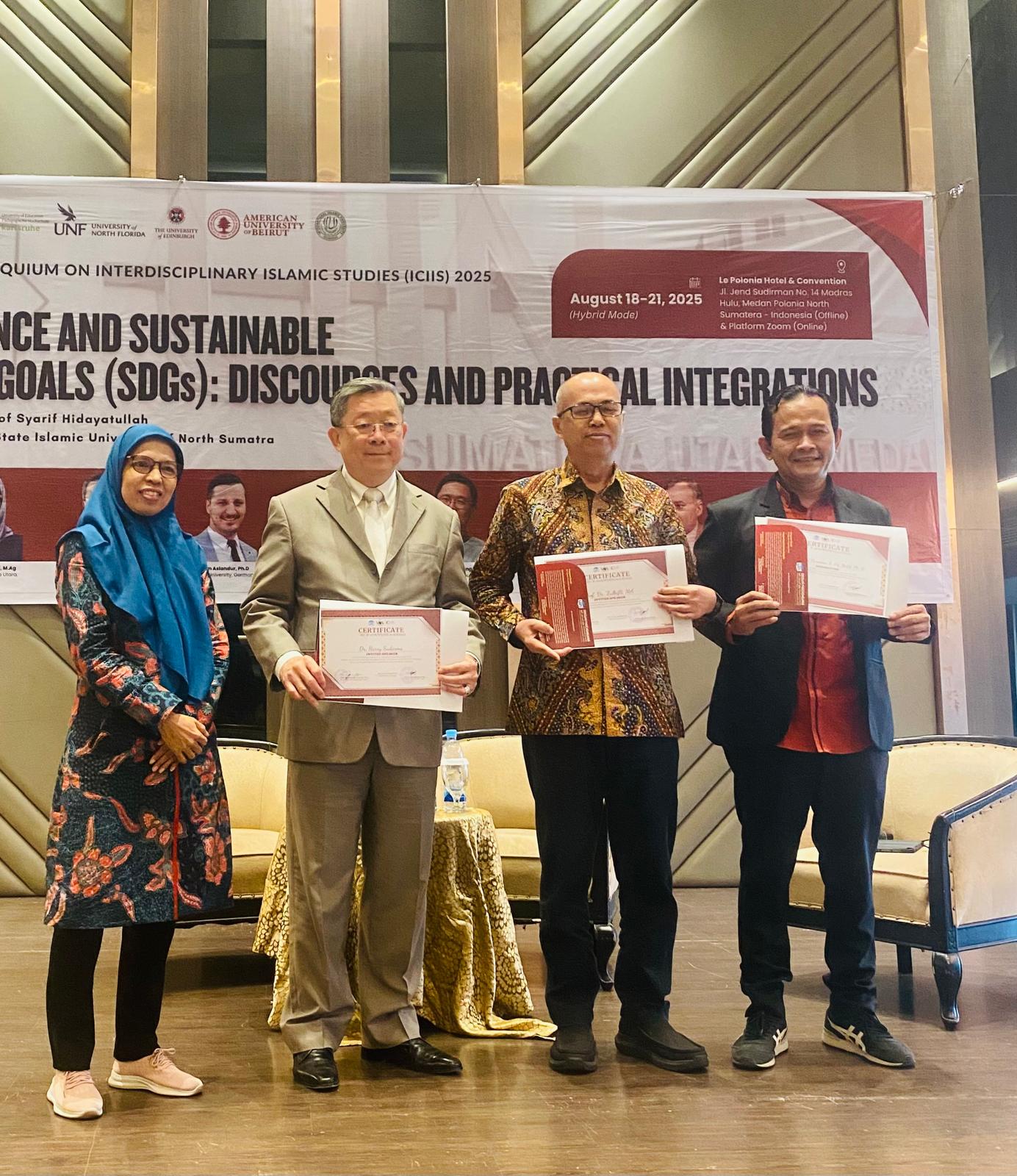
- Prof. Zulkifli, Ph.D., Director of the Postgraduate School at UIN Syarif Hidayatullah Jakarta, who shared insights on Islamic scholarship in the face of global sustainability challenges.
- Prof. Dr. Harry Sudarma, M.A., from STT Baptis Jakarta, who highlighted interfaith and interdisciplinary approaches to education and sustainable social development.
- Dr. Muhammed Abelabas, University of Bristol, United Kingdom, who presented research-based perspectives on how faith-based frameworks can contribute to innovative and ethical responses to sustainability issues.
Their combined expertise provided the conference with a comprehensive view of how religious principles and scientific inquiry can work hand in hand to address humanity’s most urgent challenges.
Maslathif Dwi Purnomo, Ph.D., Head of the Master’s Program in English Education (MTBI) at UIN Sumatera Utara, was entrusted with the role of moderator for the International Joint Conference on “Religion, Science, and Sustainability Development: Discourses and Practical Integration.”
As the moderator, Maslathif Dwi Purnomo, Ph.D. played a pivotal role in guiding the discussions, ensuring the dialogue remained dynamic, inclusive, and productive. In his opening remarks, he emphasized the significance of integrating academic inquiry with practical implementation:
“Our task as academics is not merely to theorize but to translate our knowledge into practices that impact communities.” — Maslathif Dwi Purnomo, Ph.D.
He also stressed the importance of involving younger generations of scholars in conversations about global sustainability, highlighting the responsibility of higher education institutions to prepare students as ethical leaders and global citizens. This conference reminds us that religion and science are not competing domains but complementary forces that can guide us toward a more sustainable future.
The 8th ICIIS 2025 served as a global platform for academic exchange, attracting hundreds of participants from various universities, research centers, and educational institutions in Indonesia, Southeast Asia, and even Europe. Scholars and postgraduate students joined plenary sessions, parallel discussions, and workshops addressing a wide range of topics, from renewable energy policies to sustainable curriculum design, interfaith collaboration, and digital innovations for education.
Prof. Zulkifli, Ph.D., in his keynote, underlined the role of Islamic higher education in shaping sustainability-driven mindsets. Prof. Dr. Harry Sudarma, M.A. further expanded the dialogue by emphasizing cross-disciplinary collaboration. Meanwhile, Dr. Muhammed Abelabas offered a global perspective from the UK context, reminding the audience of the interconnectedness of local and international concerns.
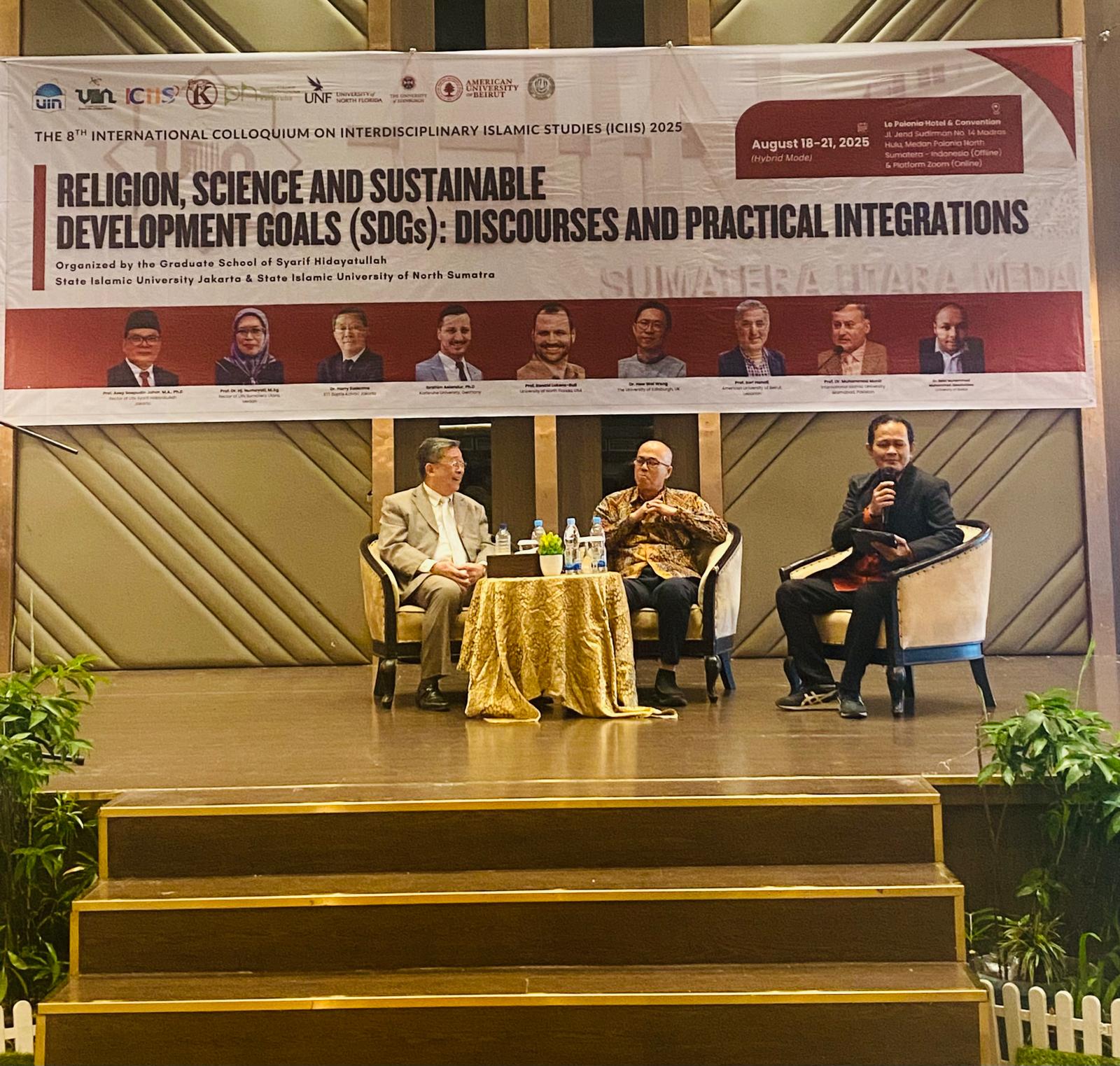
Throughout the session, Maslathif Dwi Purnomo also demonstrated his vision as an academic at UINSU. He connected the discussion to the broader mission of the Master’s Program in English Education (MTBI) in preparing educators who are globally minded and sustainability-conscious.
“Conferences like this allow us to rethink the role of education itself. At MTBI, we want our students to grow into educators who not only master pedagogy and research but also embody values of responsibility toward society and the environment.”
His intervention echoed the increasing call for Islamic universities in Indonesia to become hubs of global dialogue, contributing meaningful solutions to international debates while grounding them in local wisdom.
The joint hosting of the 8th ICIIS by UIN Sumatera Utara and UIN Syarif Hidayatullah Jakarta was itself a milestone in inter-university collaboration. It symbolized the growing recognition of the need for shared platforms in advancing Islamic interdisciplinary studies.
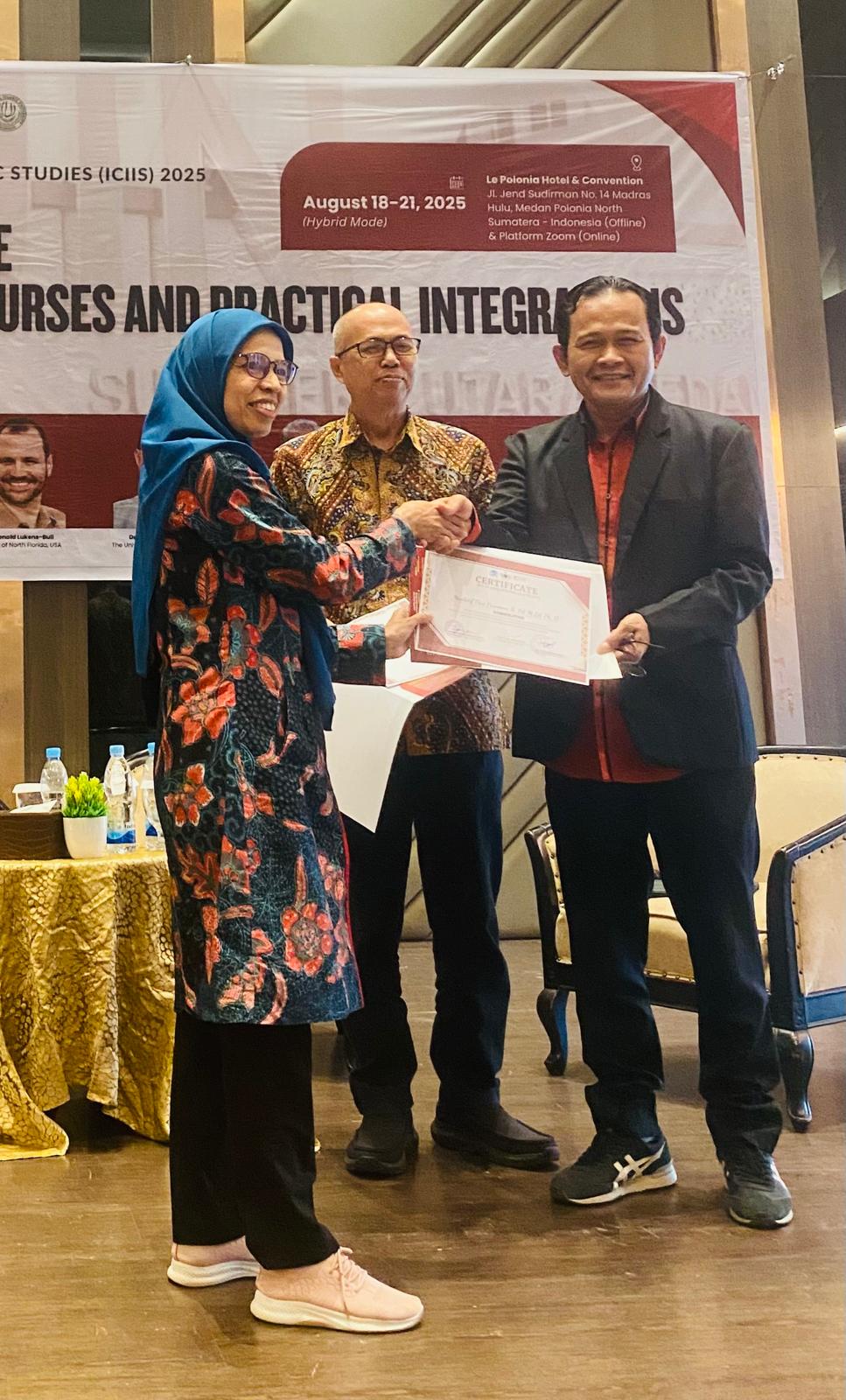
The conference was formally opened by institutional leaders, who expressed pride in seeing Medan become a venue for global scholarly dialogue. The event also marked a commitment to continue building international networks, advancing research collaborations, and supporting postgraduate education through global exposure.
As the session concluded, participants reflected on the urgency of embedding sustainability into higher education. Many expressed appreciation for the opportunity to engage in a truly interdisciplinary and intercultural conversation.
The conference closed with a renewed call for scholars and practitioners to commit to actionable steps in aligning religious wisdom, scientific innovation, and sustainable development goals. The entire event concluded with a collective prayer.