
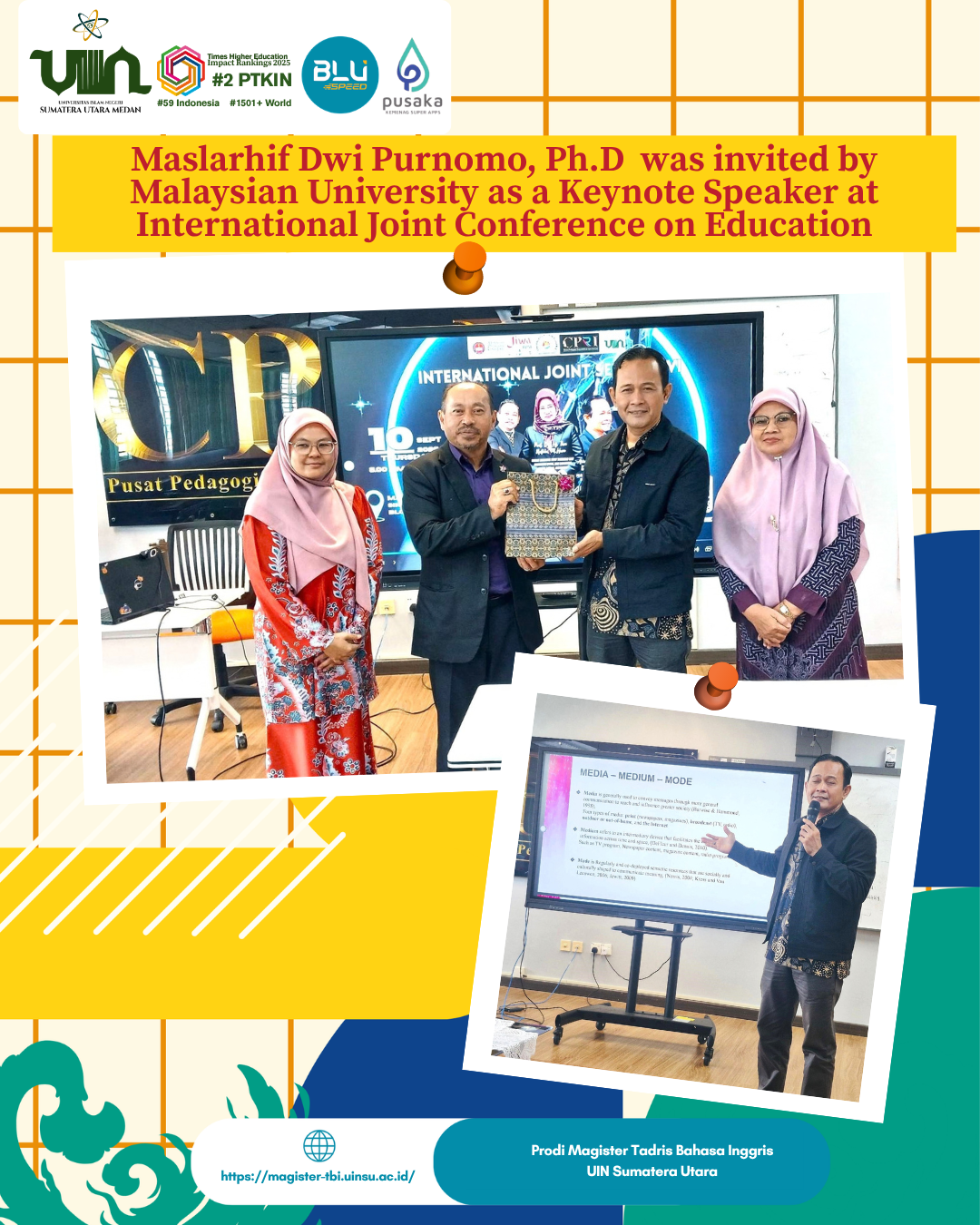
Perak, Malaysia — Academic collaboration between higher education institutions in Indonesia and Malaysia continued to grow through the International Joint Seminar (IJS) VI, organized by the Centre of Pedagogical, Research and Innovation (CPRI), Faculty of Human Development, Universiti Pendidikan Sultan Idris (UPSI), on 10 September 2026. One of the highlights of the international academic forum was the participation of Assoc. Prof. Maslathif Dwi Purnomo, M.Hum., Ph.D., Head of the Master’s Program in English Education at Universitas Islam Negeri Sumatera Utara (UIN Sumatera Utara) Medan, as Keynote Speaker.
The seminar was held at the Digital Hub, Level 3, Block 9, Faculty of Human Development, UPSI, from 10.00 a.m. to 12.30 p.m. under the theme “Global and Comparative Perspectives in Education: Bridging Cultures, Transforming Learning, Shaping the Future.” The theme reflected the seminar’s commitment to encouraging cross-cultural academic dialogue and exploring new perspectives in education in response to the changing demands of contemporary learning.
Maslathif, Ph.D., was formally invited by CPRI, Faculty of Human Development, UPSI, based on his academic expertise, professional experience, and contributions to education and research. His appointment as Keynote Speaker II provided an opportunity to share perspectives and engage in academic dialogue with educators, researchers, and participants from different institutional and national backgrounds.
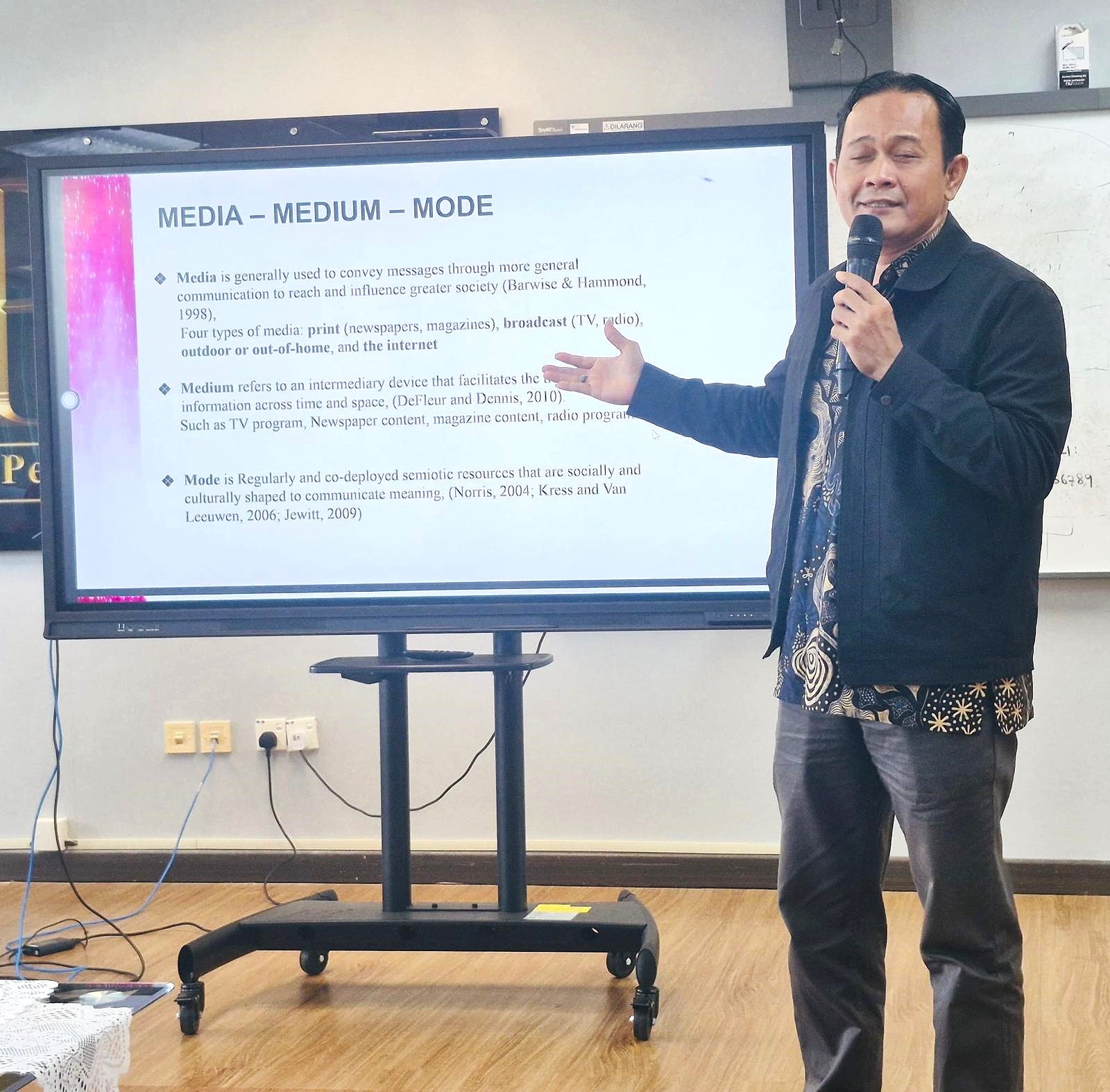
In his keynote session, Maslathif, Ph.D., emphasized the importance of viewing education beyond institutional and geographical boundaries. He highlighted the need for educators and higher education institutions to remain responsive to global developments while maintaining sensitivity to local contexts and cultural diversity.
He further underscored that international academic collaboration should not stop at formal meetings or joint events. Instead, such collaboration should lead to sustained knowledge exchange, research partnerships, student mobility, and the development of innovative educational practices.
For Maslathif, Ph.D.,, international seminars such as IJS VI provide an important space for academics to move beyond disciplinary and institutional boundaries. The exchange of ideas, he noted, can open new possibilities for developing educational approaches that are more inclusive, contextual, and responsive to the needs of learners.
“When academics from different countries meet, we do not simply exchange knowledge. We also exchange perspectives, experiences, and ways of seeing education. That interaction is where meaningful academic collaboration begins.”
The International Joint Seminar VI was designed as a platform for knowledge sharing, research presentations, academic discussions, and the strengthening of international networks among higher education institutions. The participation of academics from different backgrounds contributed to a broader discussion on how education can respond to global challenges while continuing to recognize the importance of cultural and contextual differences.
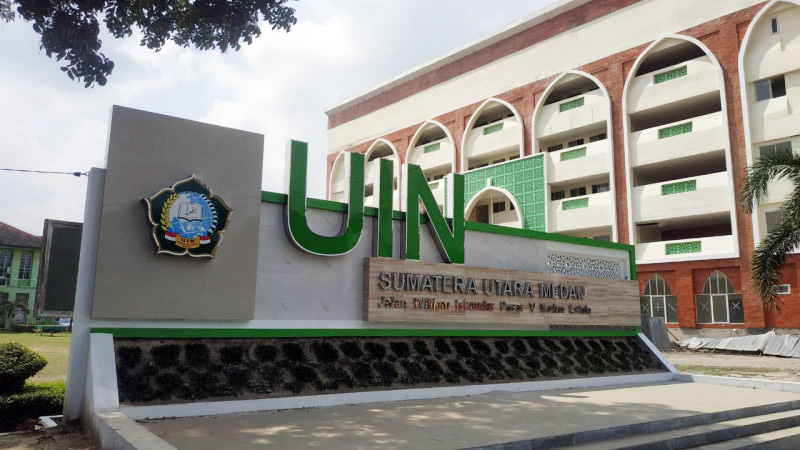
Maslathif’s participation also reflects the continuing efforts of the Master’s Program in English Education at Universitas Islam Negeri Sumatera Utara to expand its international academic engagement. Through participation in international forums, the program seeks to strengthen academic networks, create opportunities for future collaboration, and contribute to broader discussions in the field of education, particularly English language education and educational development.
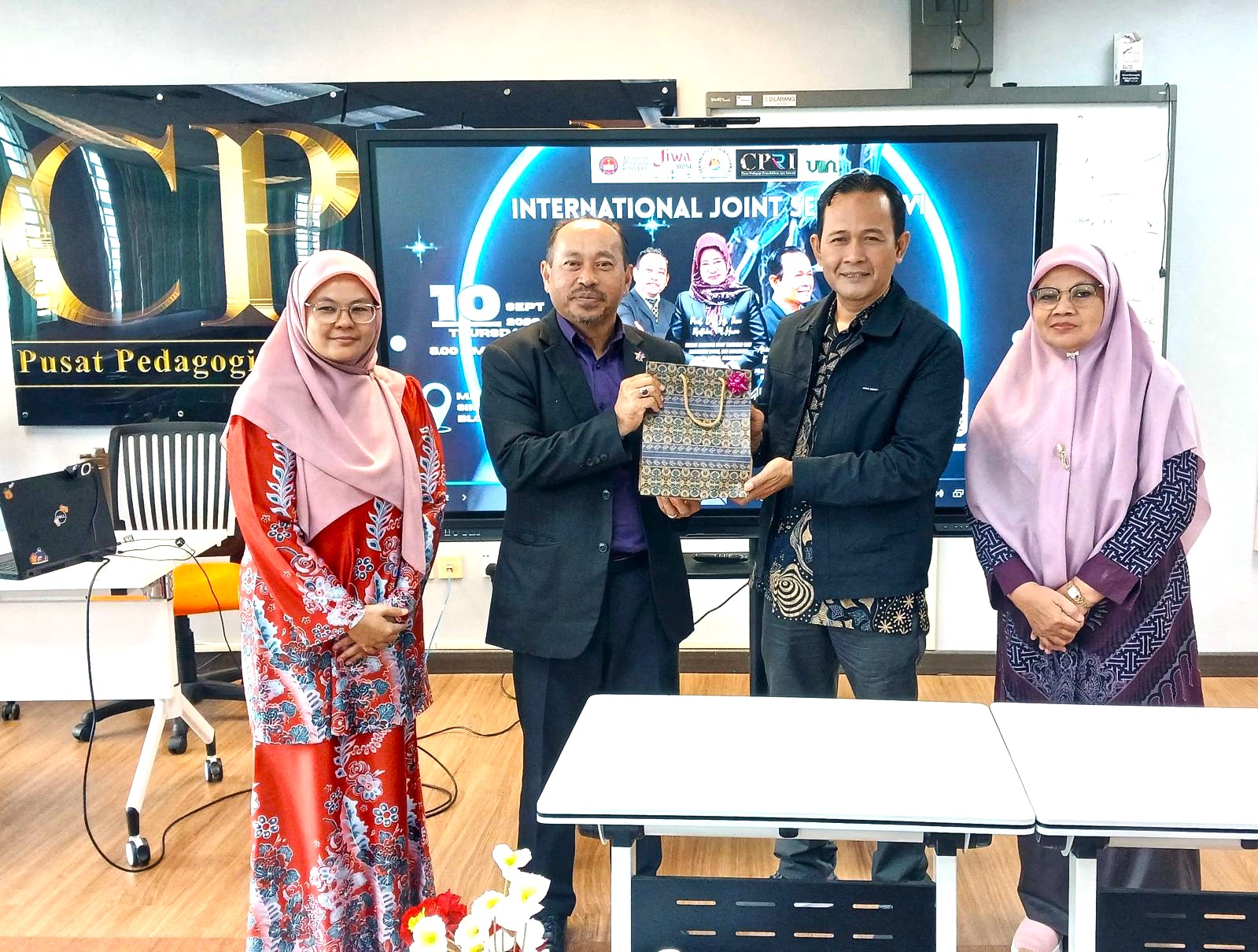
The seminar also featured Professor Dr. Nordin Mamat, Director of the Centre of Pedagogical, Research & Innovation (CPRI), Faculty of Human Development, Universiti Pendidikan Sultan Idris, whose presence and contribution enriched the academic forum.
In his closing remarks, Maslathif, Ph.D., expressed his appreciation to Professor Dr. Nordin Mamat and the CPRI team for the invitation and for organizing the international academic gathering.
“My sincere appreciation goes to Professor Dr. Nordin Mamat and the CPRI team at UPSI for the warm welcome and for creating such a meaningful academic space. The ideas and materials shared throughout the seminar were truly valuable, and I am grateful for the opportunity to learn, exchange perspectives, and build stronger academic connections.”
He also expressed his appreciation for the opportunity to be part of an academic forum that brought together different perspectives on education.
“It was a valuable experience to be part of this seminar. Beyond delivering a keynote, I believe that the most important part of an international academic gathering is what we take home from the conversations, the questions, and the perspectives shared by others.”
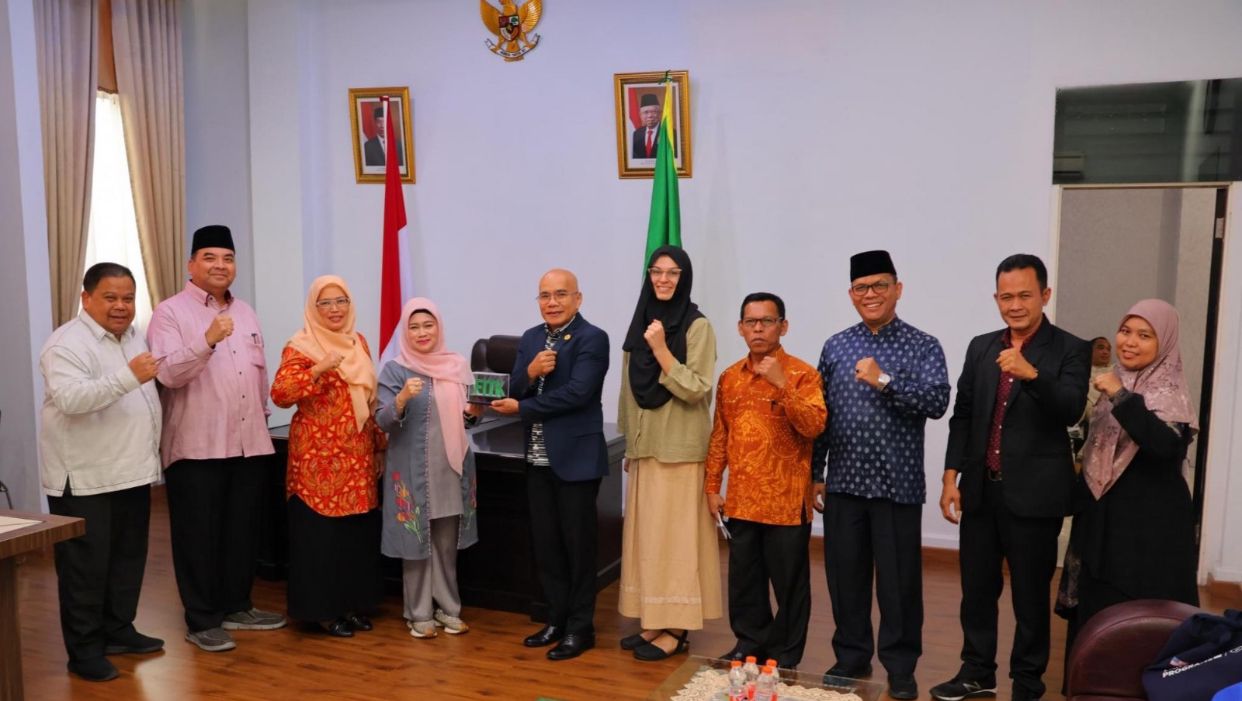
The contribution of Maslathif, Ph.D., was formally recognized by CPRI through a Certificate of Achievement, awarded in recognition and appreciation of his valuable contribution as a Keynote Speaker at the International Joint Seminar (IJS) VI held on 10 September 2026. The certificate was issued under Series No. 0238 and signed by Professor Dr. Nordin Mamat, Director of CPRI, Universiti Pendidikan Sultan Idris.
The event concluded with a strong emphasis on the importance of sustained international cooperation in education. The interaction between academics from Indonesia and Malaysia demonstrated how academic forums can serve not only as spaces for presenting ideas, but also as avenues for building long-term partnerships and creating opportunities for collaborative research, teaching innovation, and academic mobility.
Maslathif’s participation as Keynote Speaker at IJS VI thus marked another step in strengthening international academic engagement and positioning higher education institutions as active contributors to global educational conversations. Through continued collaboration, academic exchange, and shared commitment to educational innovation, such initiatives are expected to contribute to more meaningful and transformative learning practices across borders.