
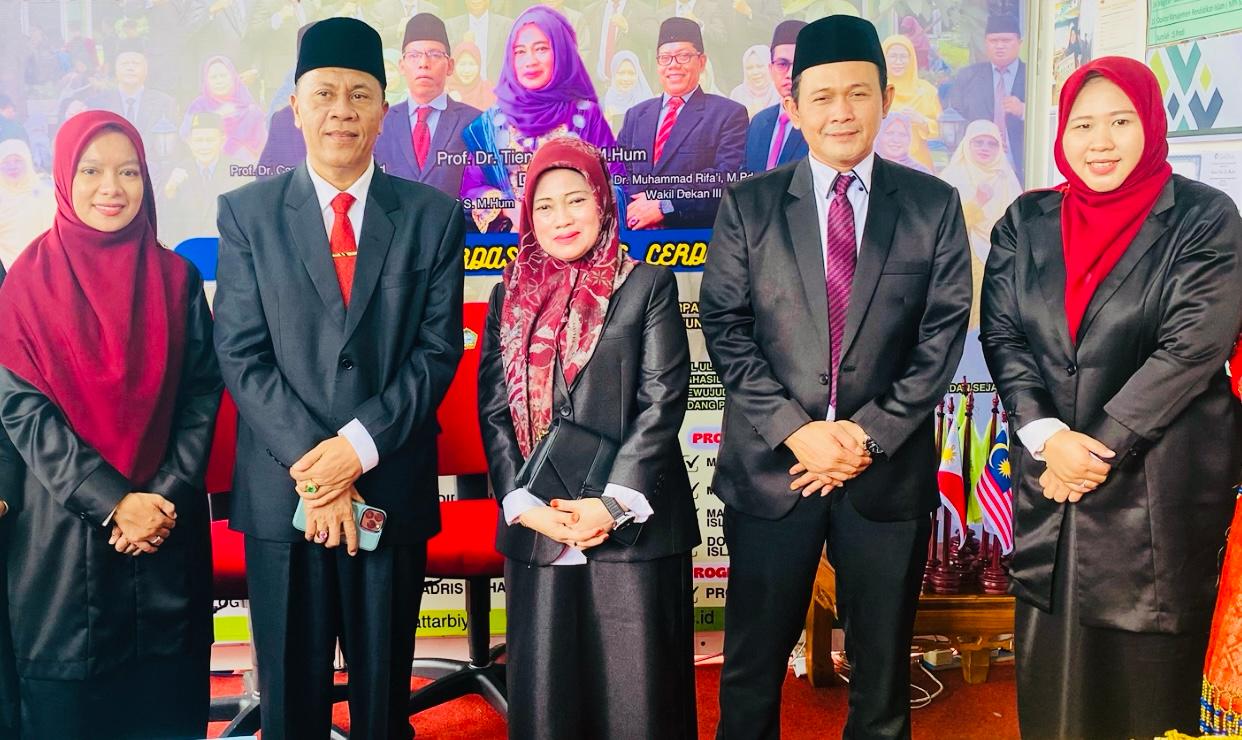
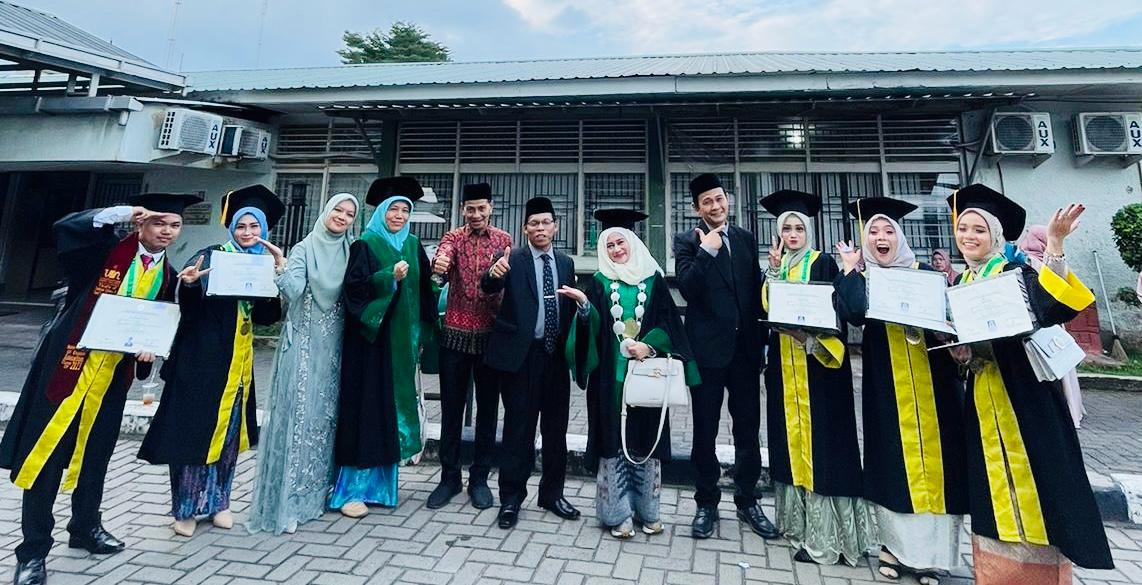
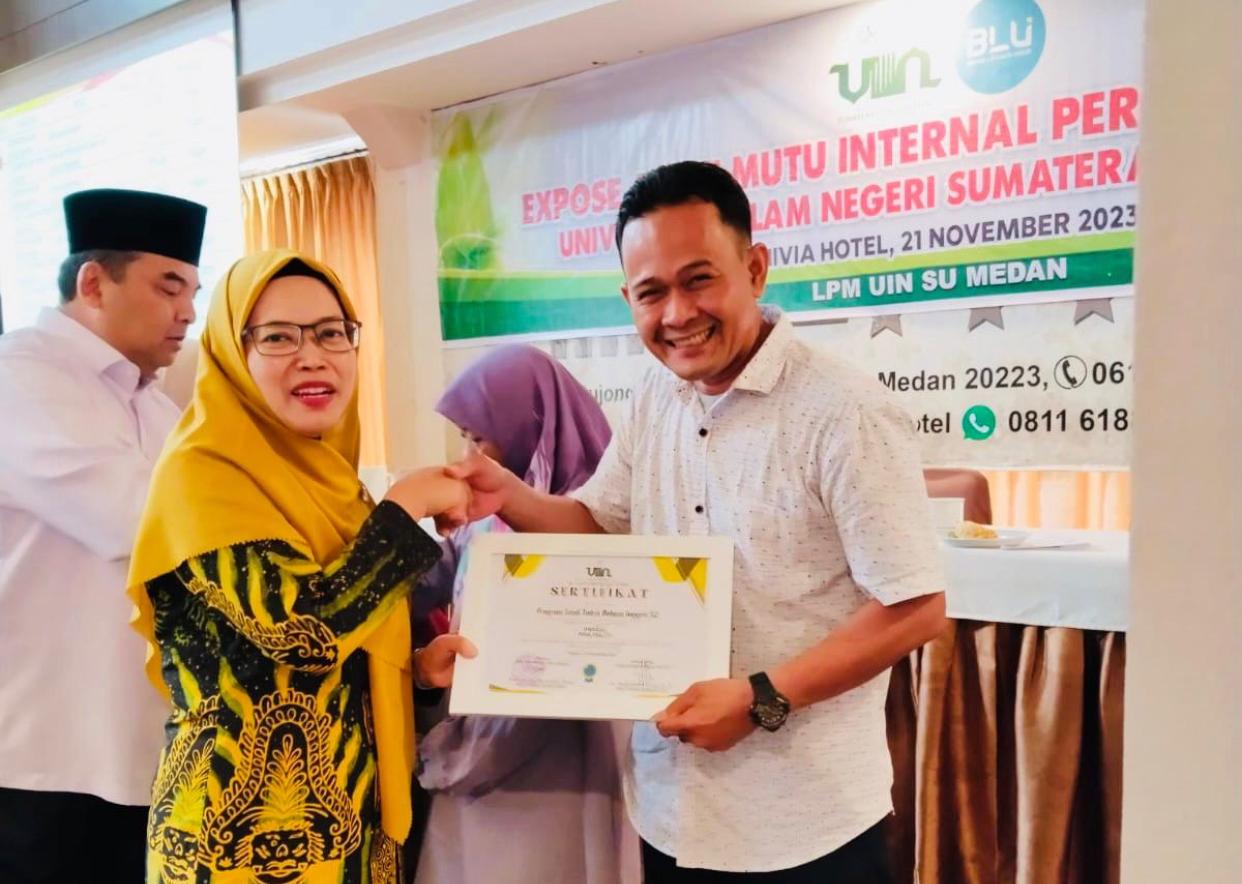
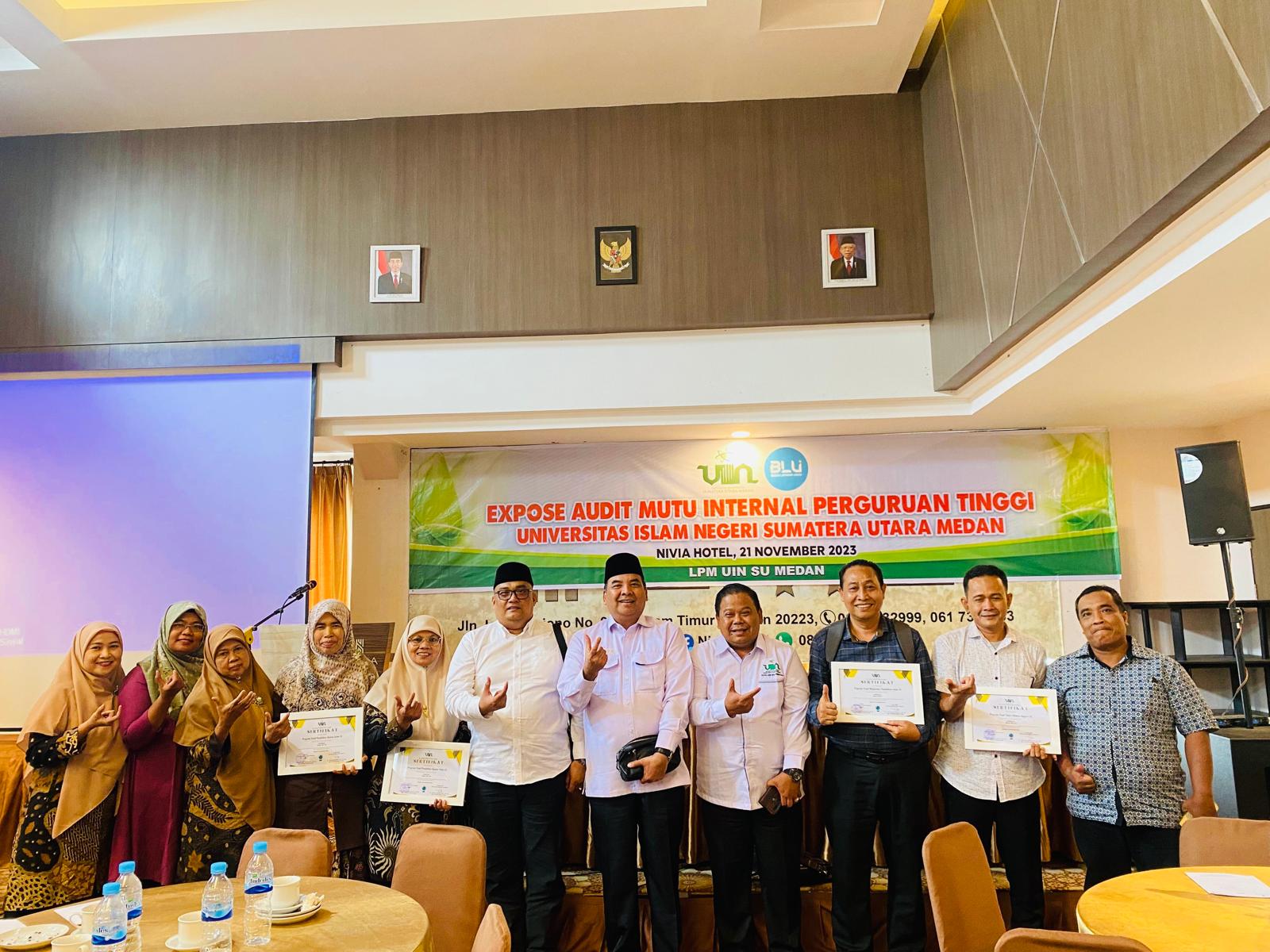
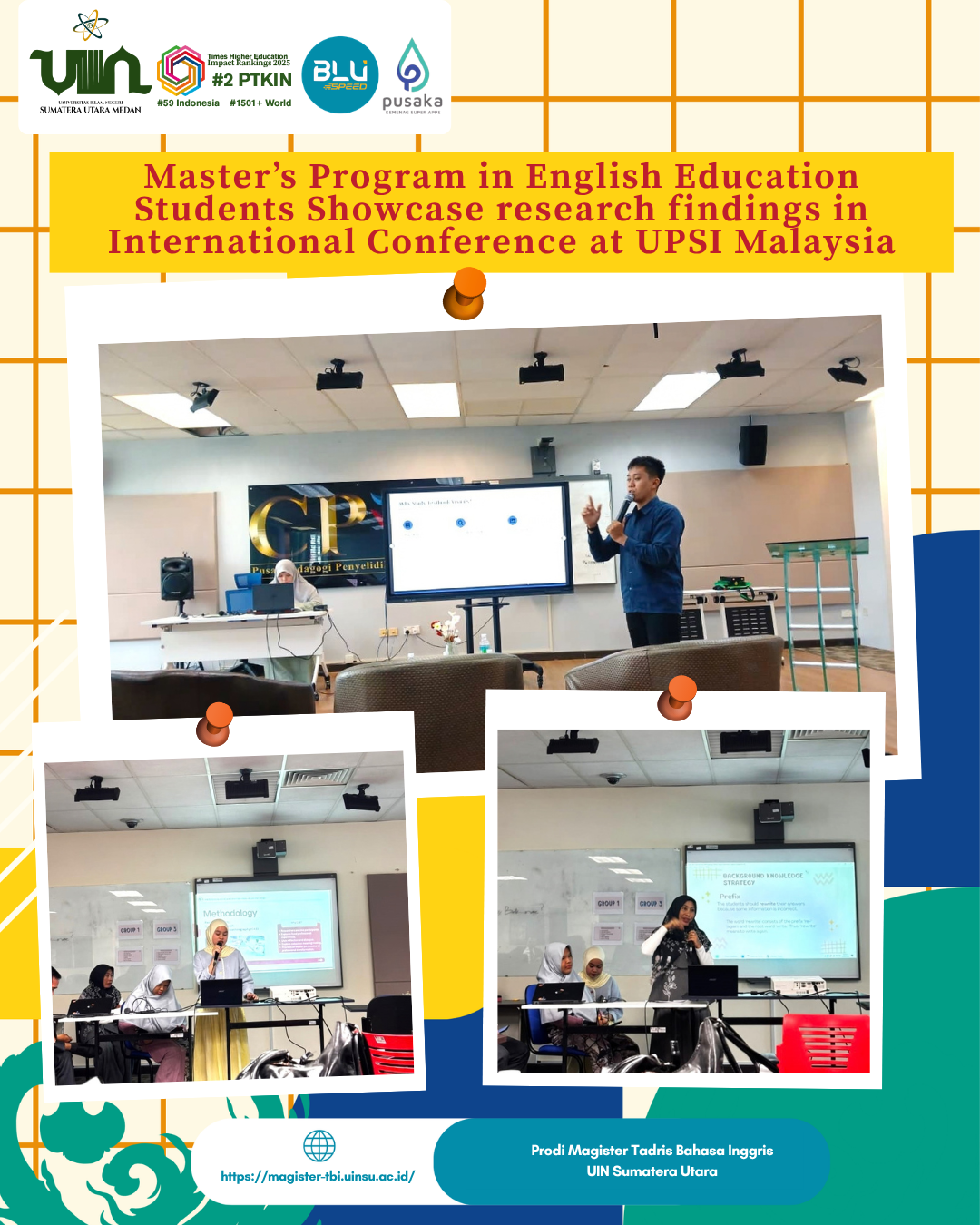
Perak, Malaysia — Research findings from students of the Master’s Program in English Education at Universitas Islam Negeri Sumatera Utara (UIN Sumatera Utara) Medan took the international stage as a number of students participated in the International Joint Seminar (IJS) VI at Universiti Pendidikan Sultan Idris (UPSI), Malaysia, on 10 September 2026.
The international academic forum provided an opportunity for the students to disseminate the results of research they had conducted as part of their academic journey in the Master’s Program in English Education. Rather than keeping their research within the classroom or academic supervision process, the students were given the opportunity to present their findings before an international audience consisting of academics, researchers, educators, and members of the academic community from different backgrounds.
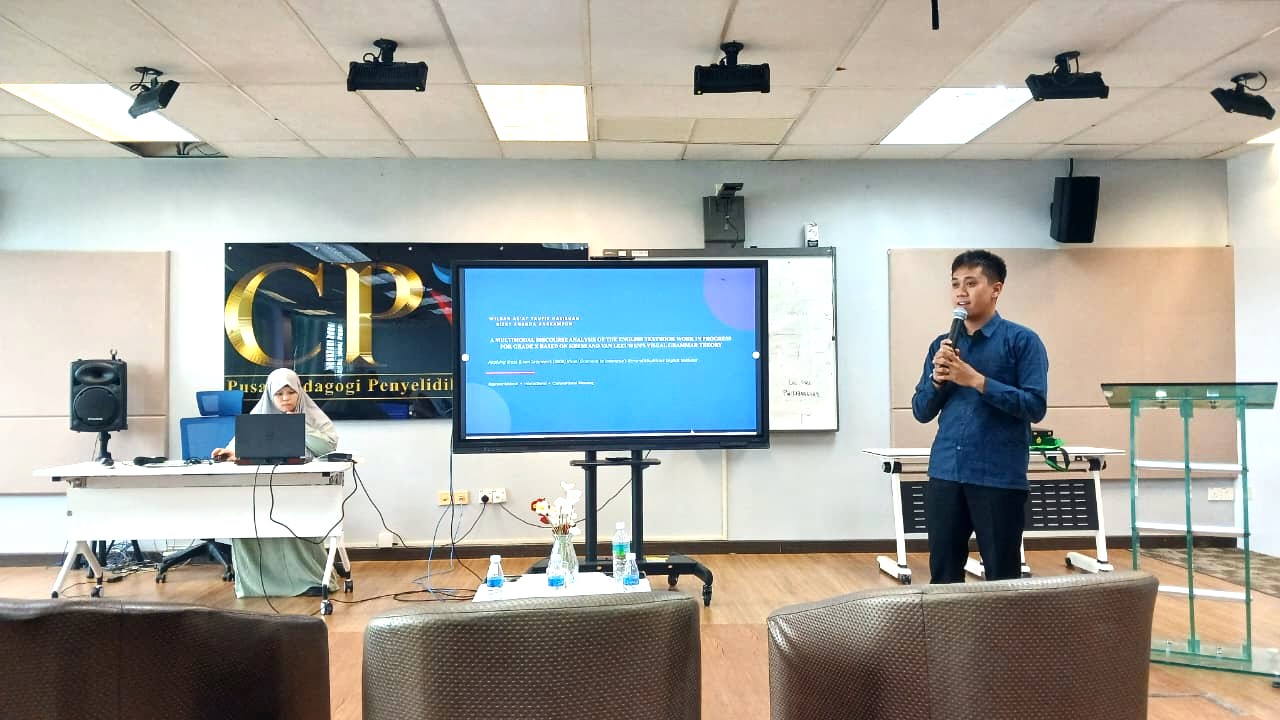
The students presented their research findings in turns throughout the session. With each presentation, they introduced the background of their research, explained their research process and findings, and discussed the implications of their work in the context of English education and learning.
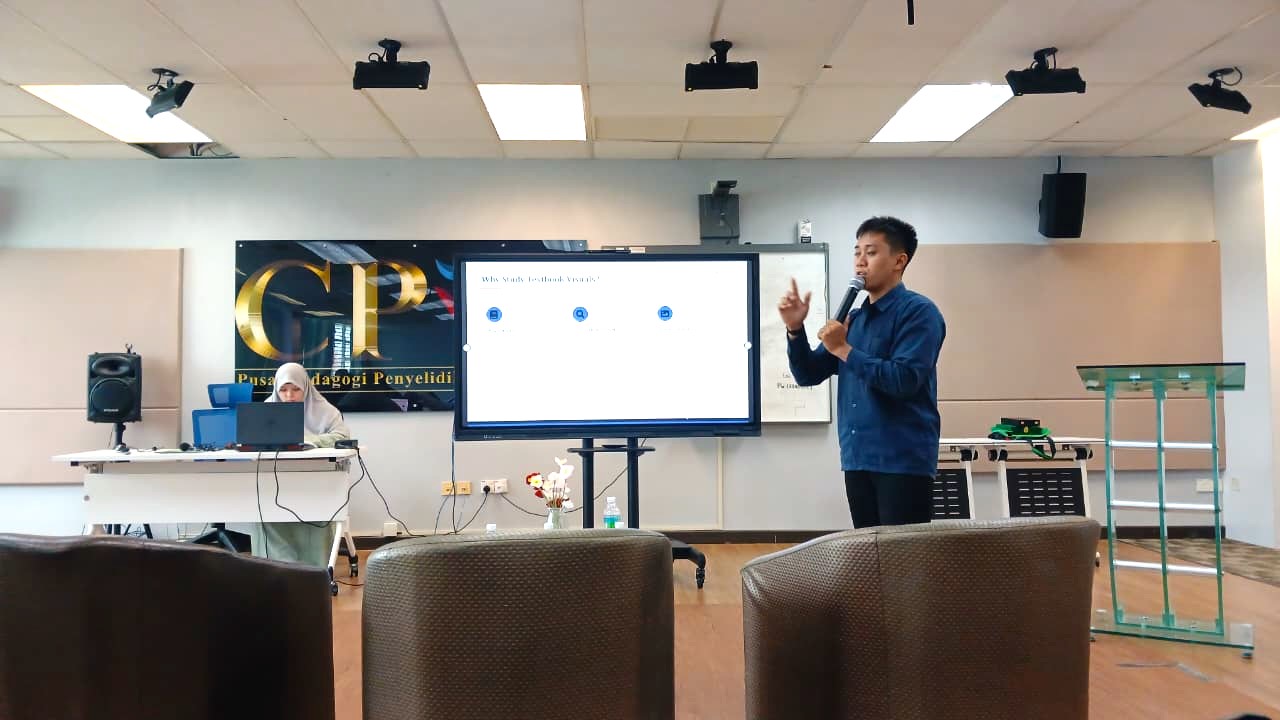
The atmosphere became increasingly interactive as members of the audience responded to the presentations with questions and comments. Academics and participants from the host institution, Universiti Pendidikan Sultan Idris, were particularly engaged in the discussion, raising questions related to the students’ research topics, methodologies, findings, and their relevance to educational practice.
For the students, the session was more than simply an opportunity to fulfil an academic presentation requirement. It became a rare opportunity to test their ideas in an international academic setting and to engage directly with scholars and fellow participants beyond their usual academic environment.
The exchange also allowed the students to encounter different perspectives on educational issues. Questions from the audience encouraged them to clarify their arguments, reconsider certain aspects of their research, and communicate their findings more confidently and systematically.
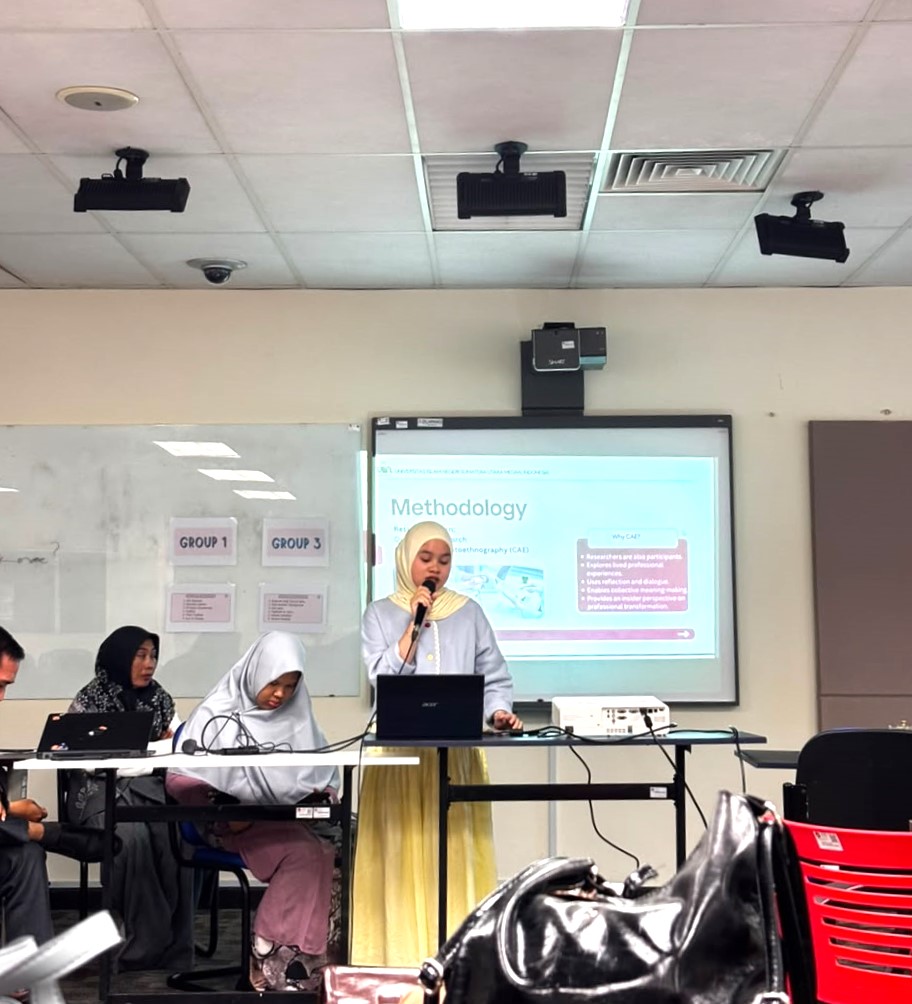
Assoc. Prof. Maslathif Dwi Purnomo, Ph.D., Head of the Master’s Program in English Education, who accompanied the students during the international academic program, emphasized that the research dissemination was part of a learning process that had been prepared well in advance.
“This program was designed long before the students conducted their research. We wanted them not only to complete their research academically, but also to develop the competence and confidence to communicate and disseminate their scientific findings to a wider audience.”
According to Maslathif, Ph.D., presenting research in an international forum provides students with an experience that cannot be fully replicated through classroom discussions alone. The direct interaction with an international audience challenges students to articulate their ideas clearly, respond to critical questions, and remain open to perspectives that may differ from their own.
“Our students need to be academically challenged and tested. When they bring their research to an international forum, they are exposed to new information, new questions, and new perspectives. This process helps them update their knowledge and understand that academic learning is a continuous process.”
He added that research dissemination should become an integral part of postgraduate education. For him, producing research is only one part of the academic process; communicating the findings and engaging in scholarly dialogue are equally important competencies for graduate students.
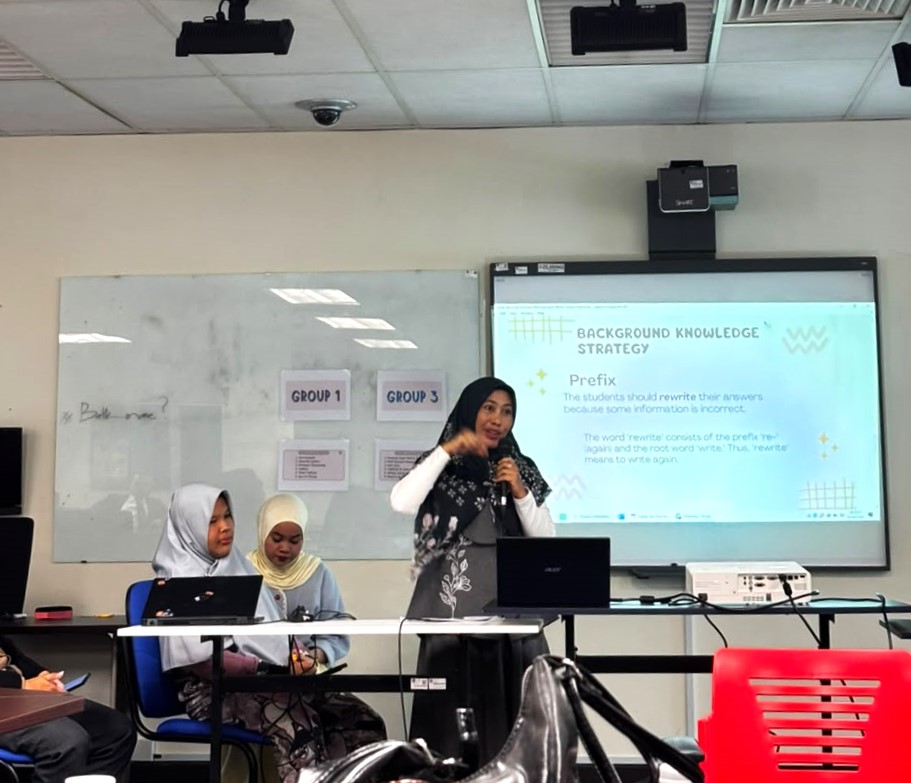
The students were accompanied by Reflina, M.Pd., Secretary of the Master’s Program in English Education, who also took part in supporting the students throughout the academic activities in Malaysia. She highlighted the importance of providing students with opportunities to experience international academic environments directly.
“For our students, this is not simply about presenting a paper. It is about experiencing what it means to become part of an academic community beyond our own institution. They learn how to present their ideas, listen to questions, respond to different perspectives, and build confidence as young researchers.”
The presence of an international audience made the research presentation session particularly meaningful. Participants from the host institution and other academic backgrounds listened to the students’ presentations and actively participated in the discussion. The questions raised during the session reflected the audience’s interest in understanding the students’ research from different academic and contextual perspectives.
For the students, the experience offered a valuable lesson in academic communication. Presenting research in front of an international audience required them to move beyond simply knowing the content of their research. They had to explain their ideas in a clear and accessible manner, defend their methodological choices, respond to questions, and connect their findings with broader educational issues.
The experience also reinforced the importance of international academic mobility as part of postgraduate education. By meeting academics and students from another country, the Master’s Program in English Education students were able to expand their academic networks while gaining firsthand exposure to different approaches to research and education.
The participation of the students in IJS VI also reflects the Master’s Program in English Education’s efforts to strengthen research-based learning and international academic engagement. Through initiatives that connect students with international academic forums, the program continues to encourage students to see research not merely as a graduation requirement, but as a contribution to the wider academic community.
The International Joint Seminar VI, organized by the Centre of Pedagogical, Research and Innovation (CPRI), Faculty of Human Development, Universiti Pendidikan Sultan Idris (UPSI), provided a valuable platform for this exchange. Under the theme “Global and Comparative Perspectives in Education: Bridging Cultures, Transforming Learning, Shaping the Future,” the seminar brought together academic perspectives from different contexts and created opportunities for knowledge sharing and international collaboration.
For the Master’s Program in English Education students, their participation represented an important step from conducting research to becoming active participants in the academic community. Their presentations demonstrated that research becomes more meaningful when it is shared, questioned, discussed, and connected with the experiences of others.
The experience in Malaysia ultimately offered the students more than an international presentation opportunity. It challenged them to communicate their research with confidence, engage with unfamiliar perspectives, and continuously update their academic knowledge—experiences that are essential in preparing them to become reflective educators, researchers, and future contributors to the field of English education.